Katzeye
Story
People
Place
Through historical expertise, strategic thinking, and a creative mindset, Katzeye provides practical, thoughtful, specific, and innovative solutions for projects ranging from residential heritage advice to large-scale placemaking initiatives. Our work fosters connections, brings stories to life, foregrounds heritage and cultural values, and creates meaningful outcomes for our clients and their communities.
Interpretation History & Heritage
Katzeye Interpretation History & Heritage is located on the traditional Country of the Wurundjeri Woi Wurrung People and works across the traditional lands of many First Nations peoples and their descendants. We acknowledge the deeply embedded traditions of caring for land, culture and stories in these places we live and work. We pay our respects to Elders past and present and to emerging voices of leadership. We echo and amplify the calls for truth, treaty and respect.
Our approach
Katzeye Interpretation History & Heritage is dedicated to sustaining and interpreting history and heritage in ways that are accessible, inclusive, nuanced, authentic and creative.
Our work strengthens connections to the past through honouring significant stories, places and culture, and creating opportunities for new understandings, uses, recognition, and appreciation. We help our clients reveal the value of heritage through thoughtful interpretation, placemaking, adaptive reuse and community engagement.
Katzeye believes in a multifaceted approach that brings together storytelling, art, enduring knowledge and fresh perspectives to create meaningful and lasting outcomes.
Our values
✦ Creativity and Innovation
✦ Authenticity and Rigour
✦ Integrity and Excellence
✦ Practicality and Specificity
Our expertise
Our expertise spans a wide range of interpretive, historical and heritage services, but particularly shines in the following ways:
We know that interpreting difficult or contested history is not easy. Many site owners and managers want to do the “right thing” regarding sites, people, or past commemorations associated with challenging, uncomfortable, or stigmatised narratives, places, and events. However, they often feel unsure how to begin. We offer innovative solutions grounded in empathy, honesty, accessibility, and rigour.
We engage in storytelling that moves beyond just text. In interpreting history and heritage, we draw from our experience in museums, filmmaking, and photography. We understand that while the written word is powerful, it may not suit all sites or audiences. Therefore, we develop interpretive approaches that consider various communication methods, including images, sound, digital elements, art, objects, community spaces, and playgrounds.
We have years of experience working in architecture offices, and our training included studying Architectural Conservation at Carleton University’s Azrielli School of Architecture & Urbanism. This gives us a deep understanding of architecture, design, and conservation processes and a strong belief in interpretation through design. We advocate for integrating interpretive elements into a holistic approach to place.
History and heritage ultimately reflect the people whose stories are shared and those who inhabit and interact with these spaces daily. We recognise the importance of actively listening to stakeholders through client briefings and feedback, consultation with First Nations Elders, robust community workshops, and liaising with our community of practice of fellow experts and specialists. Throughout all project stages, we facilitate meaningful consultation and interactions that genuinely inform outcomes.
For more on our what we can offer your project see the ‘Our services’ and ‘The work we do’ sections.
Our services
Interpretation strategies & content:
✦ Interpretation strategies providing cohesive messaging for large sites or multi-site projects
✦ Heritage Interpretation Plans for statutory compliance/in response to permit conditions
✦ Integration of multiple interpretive media including public art, digital elements, street furniture or play equipment
✦ Strategies for approaching challenging or controversial narratives, sites and historical figures
✦ Preparation of text and images for inclusion in interpretative media or integration with way-finding
✦ Liaising with archaeologists, design teams (including architects, way-finding and graphic design consultants), film-makers and other specialists
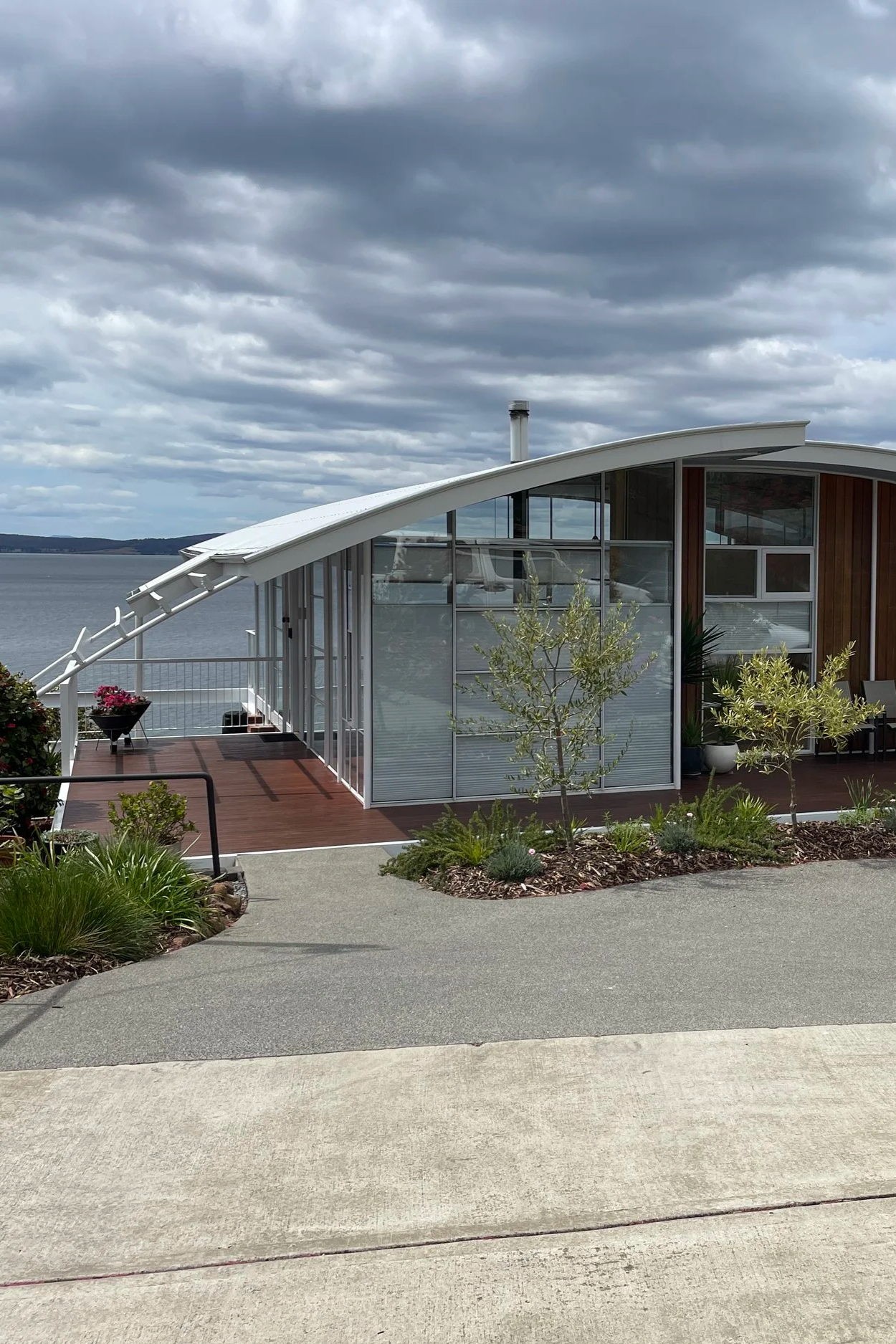
Heritage advice:
✦ Assessment of heritage sites with regard to national, state or local heritage legislation and codes and preparation of opportunities & constraints report.
✦ Advice provided for residential, institutional or large-scale developments.
✦ Heritage Impact Statements prepared to accompany applications to state or local authorities
✦ Amendments to existing heritage permits
✦ Site significance assessments including in response to proposed inclusion on state heritage registers or within local heritage overlays
✦ Design advice to architects with regards to compliance with state or local heritage requirements.
✦ Appearances as an expert witness for panels
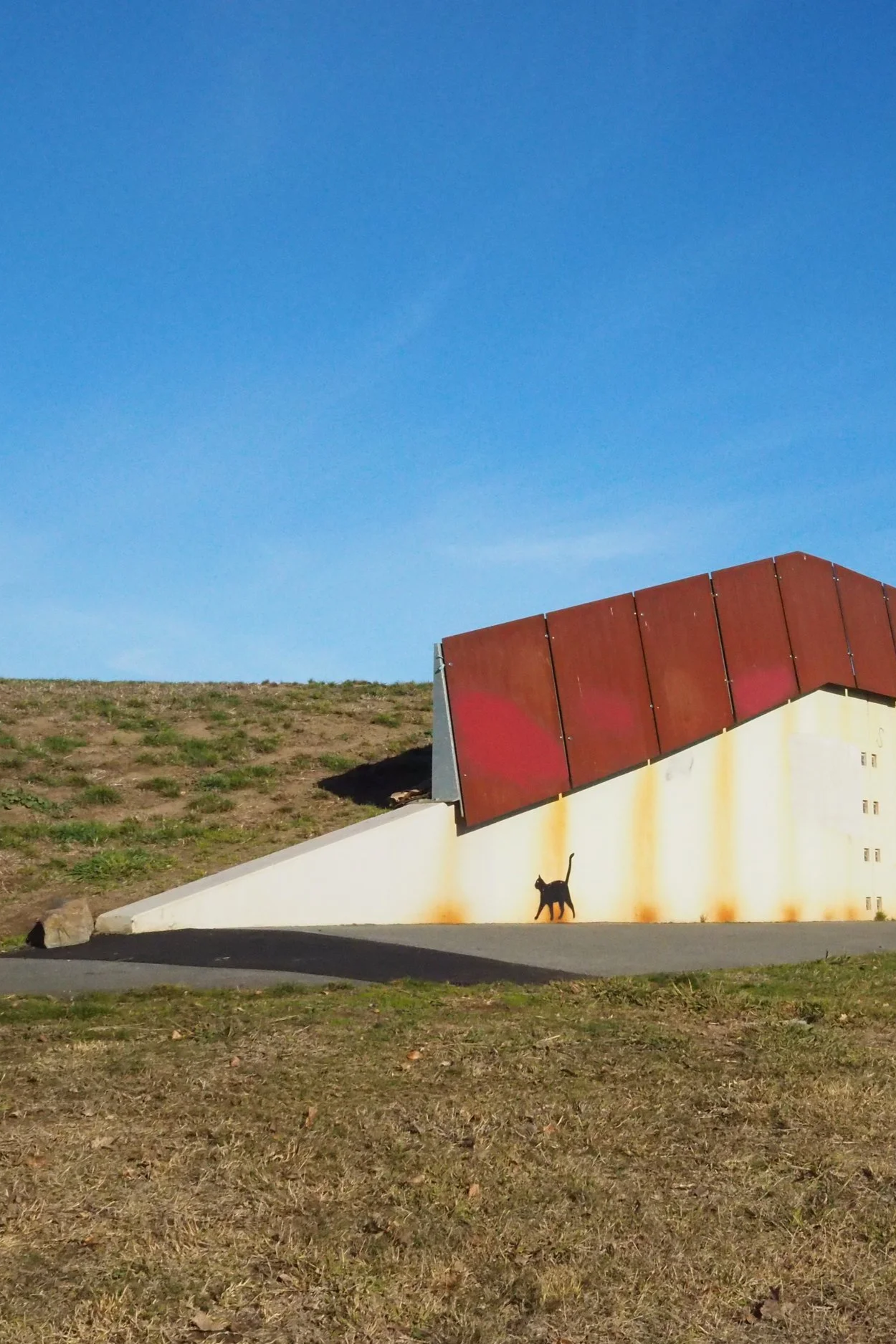
Stakeholder consultation, communication & workshops:
✦ Consultation workshops with community groups, council officers, academics & other experts, institutional partners
✦ Consultation with Registered Aboriginal Parties via Teams/Zoom or on Country.
✦ Liaising with state & local government officers
✦ Representing heritage issues/interests at multi-consultant meetings
✦ Workshops/training on interpretation techniques for volunteers, practitioners, client or stakeholder groups
✦ Available for public presentations or media
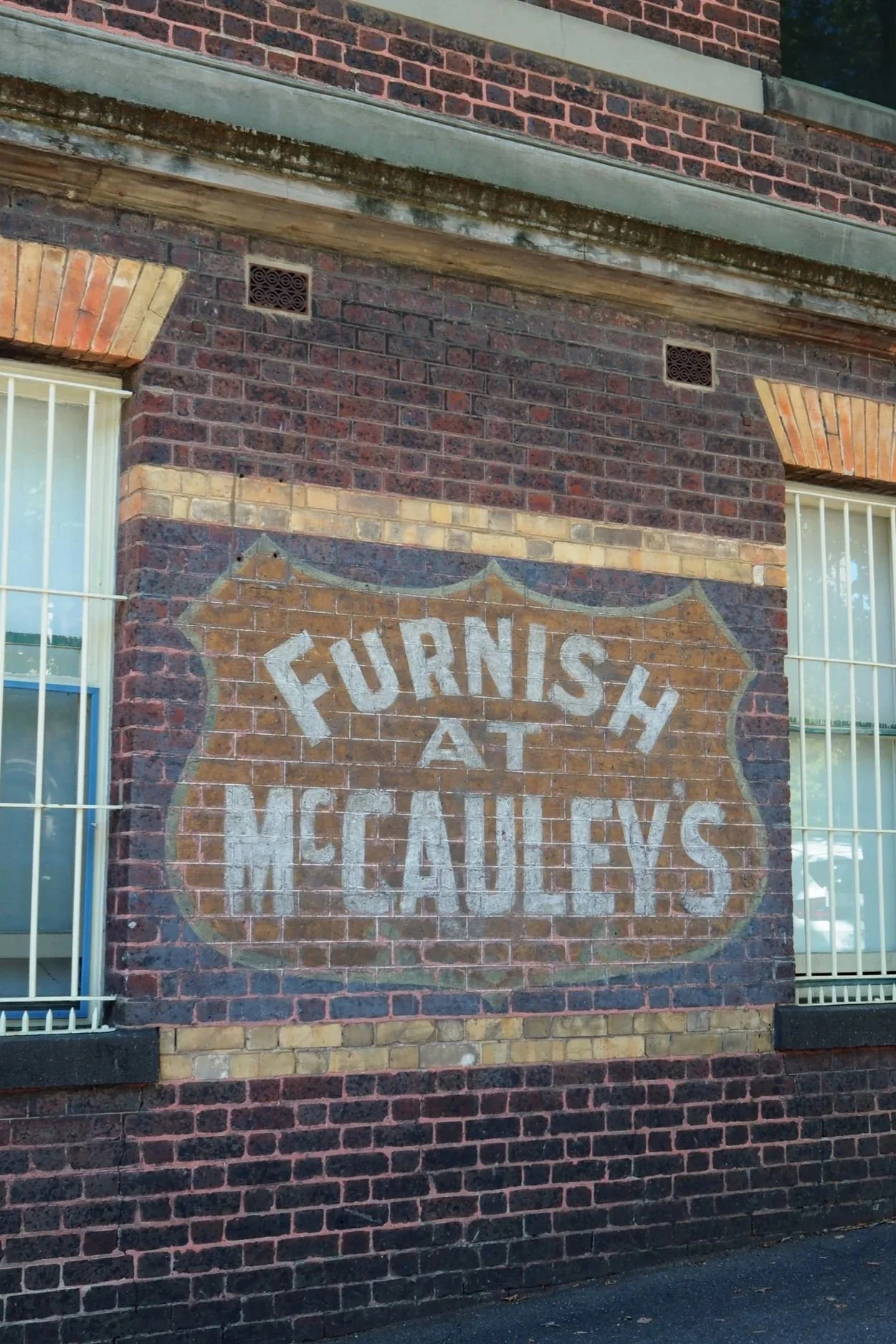
Historical research & writing:
✦ Architectural and place based histories
✦ Institutional histories
✦ Particular expertise in women’s history, LGBTQ+ history and in addressing difficult or controversial topics with sensitivity and rigour
✦ Research and writing tailored to desired outcome including internal or general publication, exhibition materials, policy documents and media
✦ Familiar with a range of collections & archives including:
National Film and Sound Archives, National Archives of Australia, National Library of Australia, Australian War Memorial
Public Record Office of Victoria, State Library Victoria, Museum Victoria
State Libraries and archives in Tasmania, South Australia and Queensland
University libraries, institutional archives, local historical societies
Our people
“Every place has a story. Some are big and bold, some are quiet and personal. They are in the wood and the brick and the soil, in the conversations and the work and the memories. My goal is always to reveal those stories, to preserve and sustain them, and to create connections between story, people and place.”
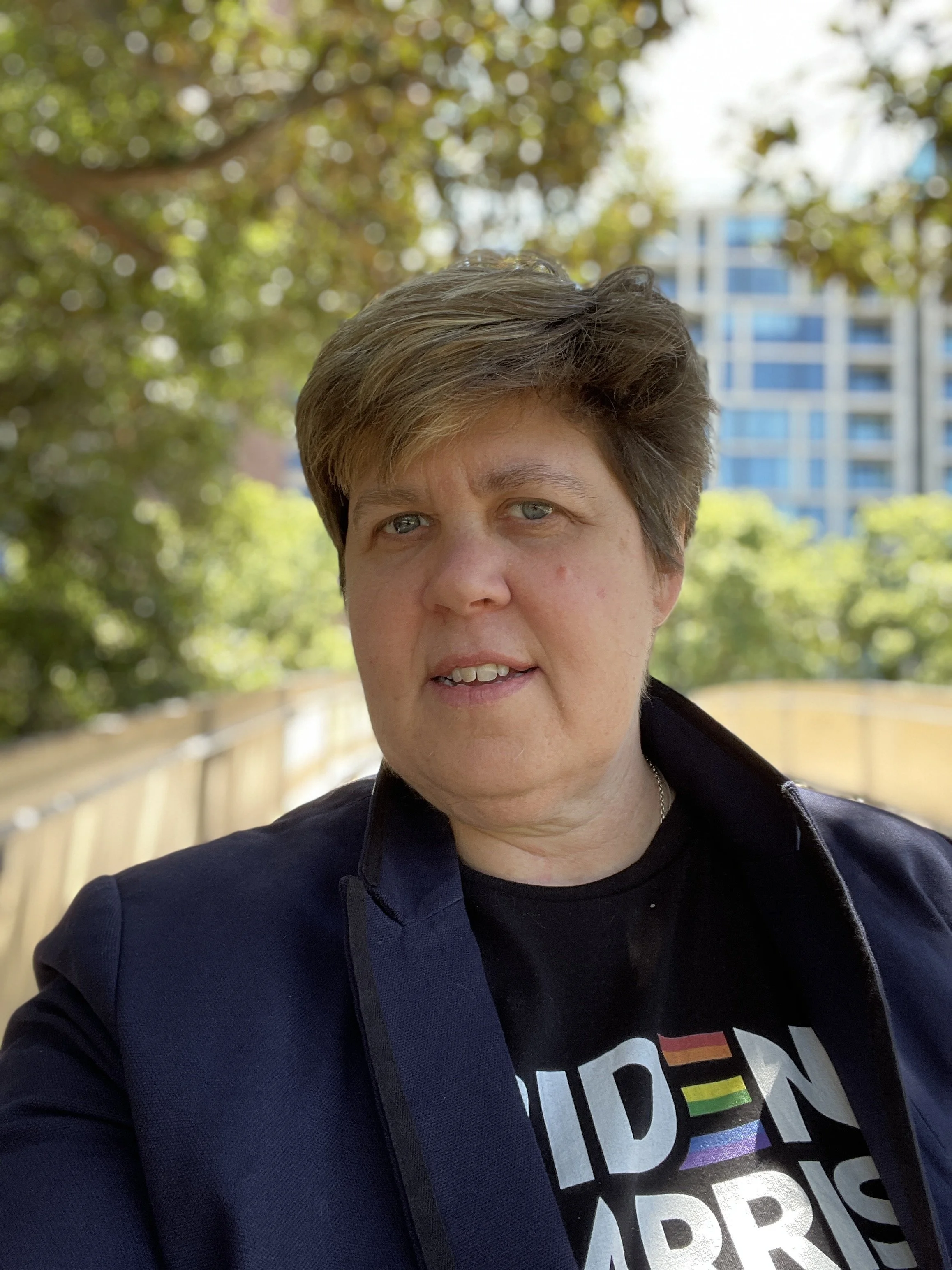
Dr Meighen Katz
Founding Consultant
Dr Meighen Katz is a historian, curator and heritage consultant with more than a decade of experience helping clients discover, interpret and communicate the stories of people and places. Drawing on experience across museums, government, universities and the private sector, she combines rigorous historical research with creative storytelling to create meaningful connections between communities and their heritage.
A former film-maker and practising photographer, Meighen brings a distinctive perspective to heritage interpretation, with a particular interest in the intersection of narrative, place and visual culture.
She is passionate about making complex narratives and ideas accessible to broad audiences and finding thoughtful ways to engage with challenging, contested and underrepresented histories.
Relevant Career Highlights
✦ Six years as a heritage consultant at Lovell Chen, including four as an associate, developing interpretation strategies and content, providing heritage advice, and preparing heritage reports.
✦ Initiated and led the pilot project that became Heritage New Zealand Pouhere Taonga’s ‘Rainbow List’ recognising places of significance to LGBTQ+ communities.
✦ Served as inaugural Grimwade Curator at the Ian Potter Museum of Art (University of Melbourne) and developed Australian content for a joint exhibition on 19th Century Landscape with the Terra Foundation in the United States.
✦ As a curatorial researcher at Museum Victoria contributed to exhibitions such as the Melbourne Story and Identity: Yours, Mine, Ours
Professional Affiliations
Professional Historians Association/PHA (Accredited Historian)
https://www.phavic.org.au/find-a-historian
International Committee on Monuments and Sites/ICOMOS (NZ)
Interpretation Australia (member Executive Committee)
Society of Architectural Historians Australia New Zealand/SAHNZ
The work we do
Katzeye partners with organisations, individuals and other specialists and consultants seeking thoughtful, practical and creative approaches to interpretation, history and heritage. Whether supporting a heritage-listed house, a major infrastructure project, or a place-based storytelling initiative, we tailor our approach to the needs of each project, community and place.
The following examples provide case studies of interpretation projects we have completed in the past. Examples of residential and other history and heritage projects are available on request. As some projects remain bound by confidentiality agreements, the decision has been made to omit specific client names, site names and locations.
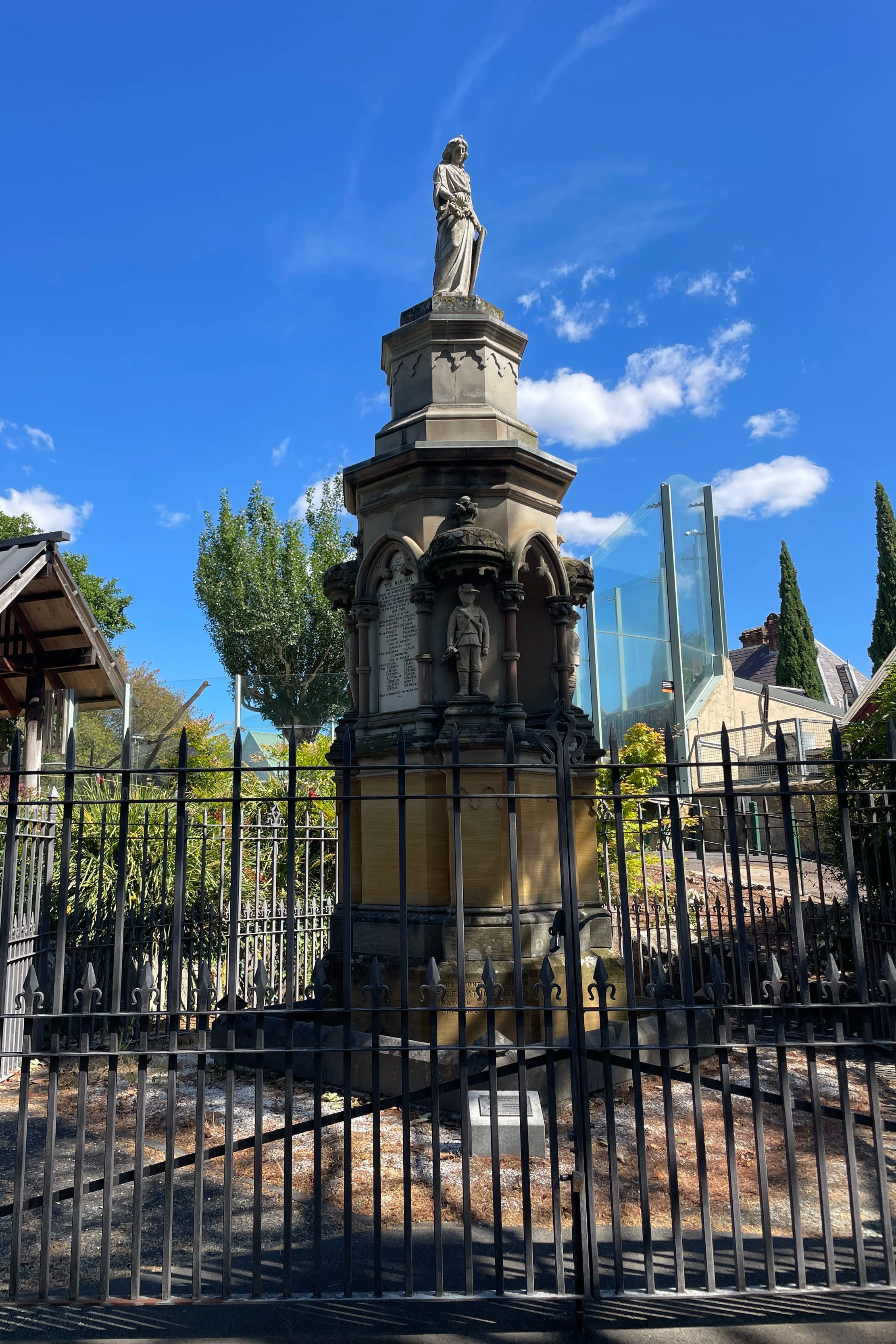
Municipal interpretation strategy
A multi-site, multimedia interpretation strategy to integrate with tourism and public art strategies
The challenge: A mid-sized municipality wanted to update their interpretation strategy to better respond to the diversity of their community, move away from text panels and reflect the active creative community. They also wanted a strategy to proactively respond to sites or historical figures that might be associated with difficult or traumatic historical narratives.
The solution: Through consultation with community groups, representatives of the Aboriginal community, council officers and partnering institutions, we designed a cohesive multi-site strategy that could be integrated with the council’s public art and tourism strategies. The new strategy employed digital delivery through QR codes, allowing for integration of multiple languages and provided opportunities for community members to create content.
In considering the best approach for controversial sites or narratives, we recommended an innovative digital element that encouraged dialogue via a safe, non-confrontational platform.
Work conducted while working as a heritage consultant at Lovell Chen Architecture & Heritage
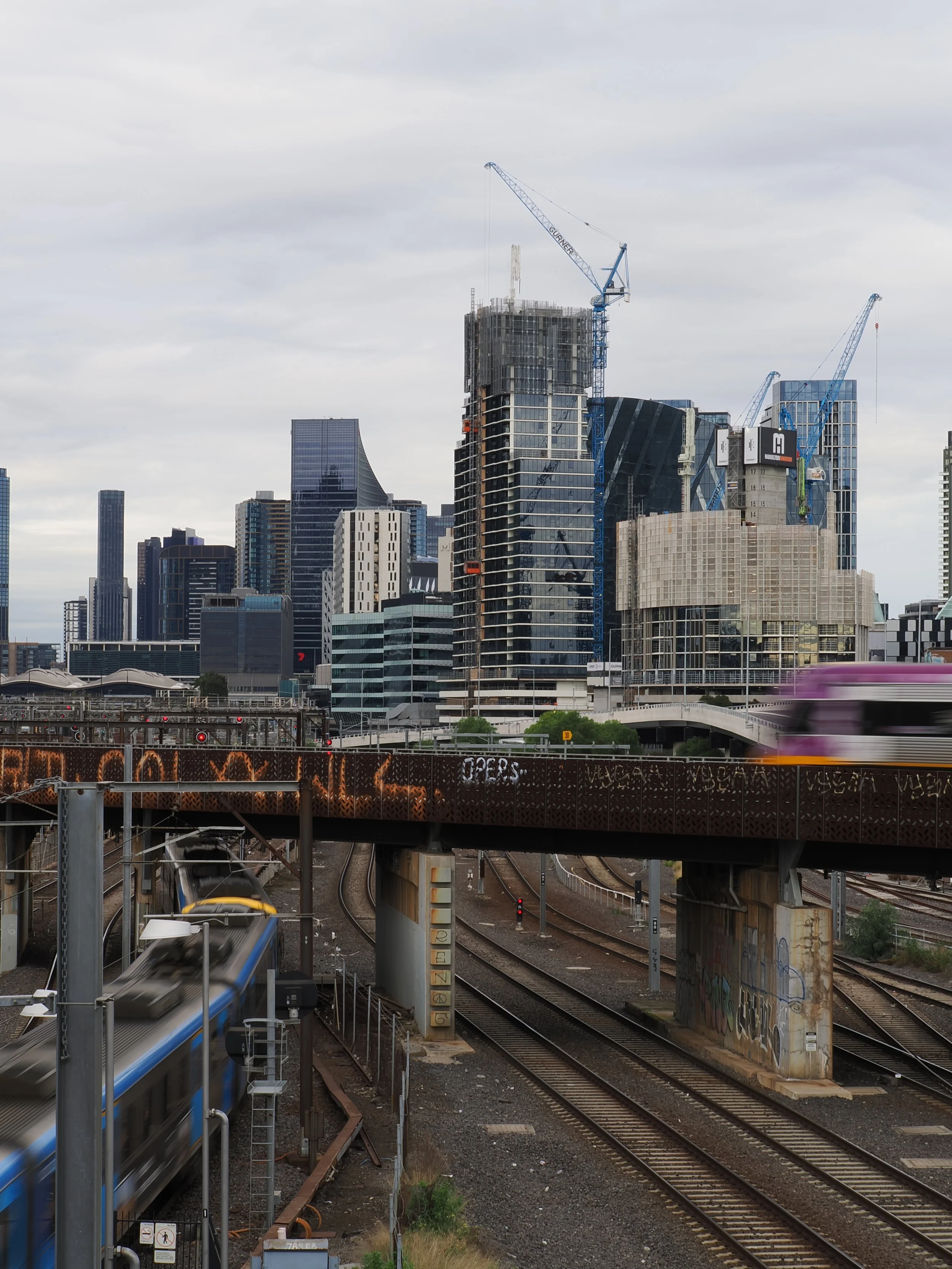
Interpretation strategies for infrastructure
Interpretation strategies for two infrastructure projects designed to ensure a holistic approach across a broad geographic area
The challenge: These projects each required a tailored strategy that could be used to guide project managers and contractors through staged delivery while still ensuring a cohesive project-wide approach to messaging, media and design.
The solution: In each case we developed framework strategies that indicated the baseline for effective interpretation. The Framework still allowed for variation between sites in consideration of physical design, demographics and user groups, and important local landmarks.
The strategies took into account the ongoing uses of these sites and made recommendations as to the most appropriate media for both regular and casual users.
Consultation with First Nations was a significant component and through working with RAPs and specialised liaisons, project standards for the integration of Aboriginal Cultural Heritage into the sites were developed.
Work conducted while working as a heritage consultant at Lovell Chen Architecture & Heritage
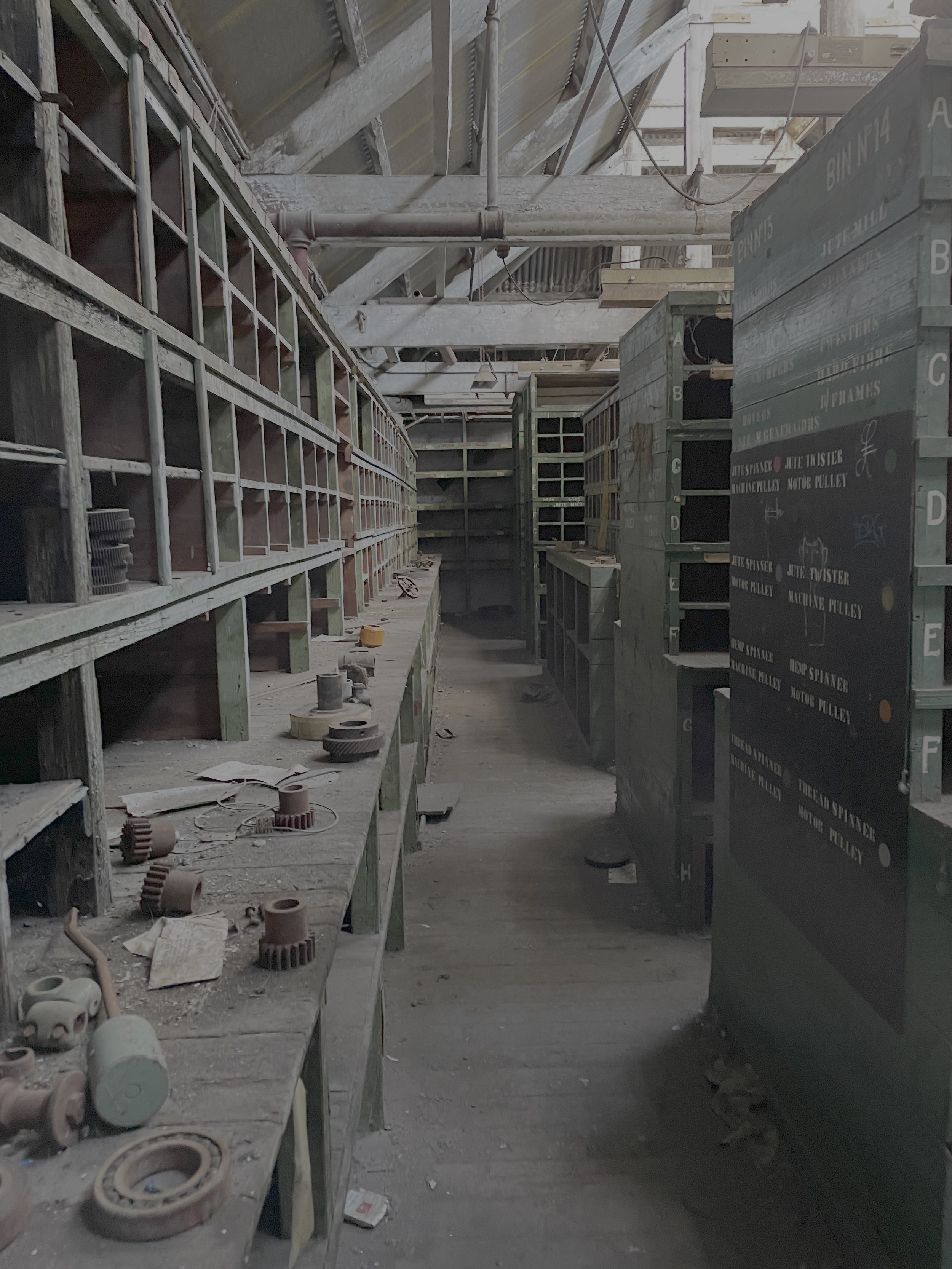
Heritage advice & interpretation on adaptive reuse projects
Providing advice that facilitated the adaptive reuse process and an interpretation strategy that made earlier uses transparent
The challenge: A former industrial site that was mid-way through transition to residential and commercial use required both heritage advice and an interpretive strategy .
The solution: Early stages of this project had delivered partial adaptive reuse for a residential complex but the bulk of the site was still undergoing redevelopment.
Working in tandem with heritage architects we facilitated negotiations between the clients and the heritage authorities to amend aspects of the permit to allow for a revised sequence of construction, while also facilitating practical protection strategies for retained heritage fabric.
In developing the interpretation we made use of an earlier oral history project to humanise the history of the site and worked with landscape architects to develop recommendations for a new playground that incorporated visual and thematic references to the site’s historical industrial past.
Work conducted while working as a heritage consultant at Lovell Chen Architecture & Heritage
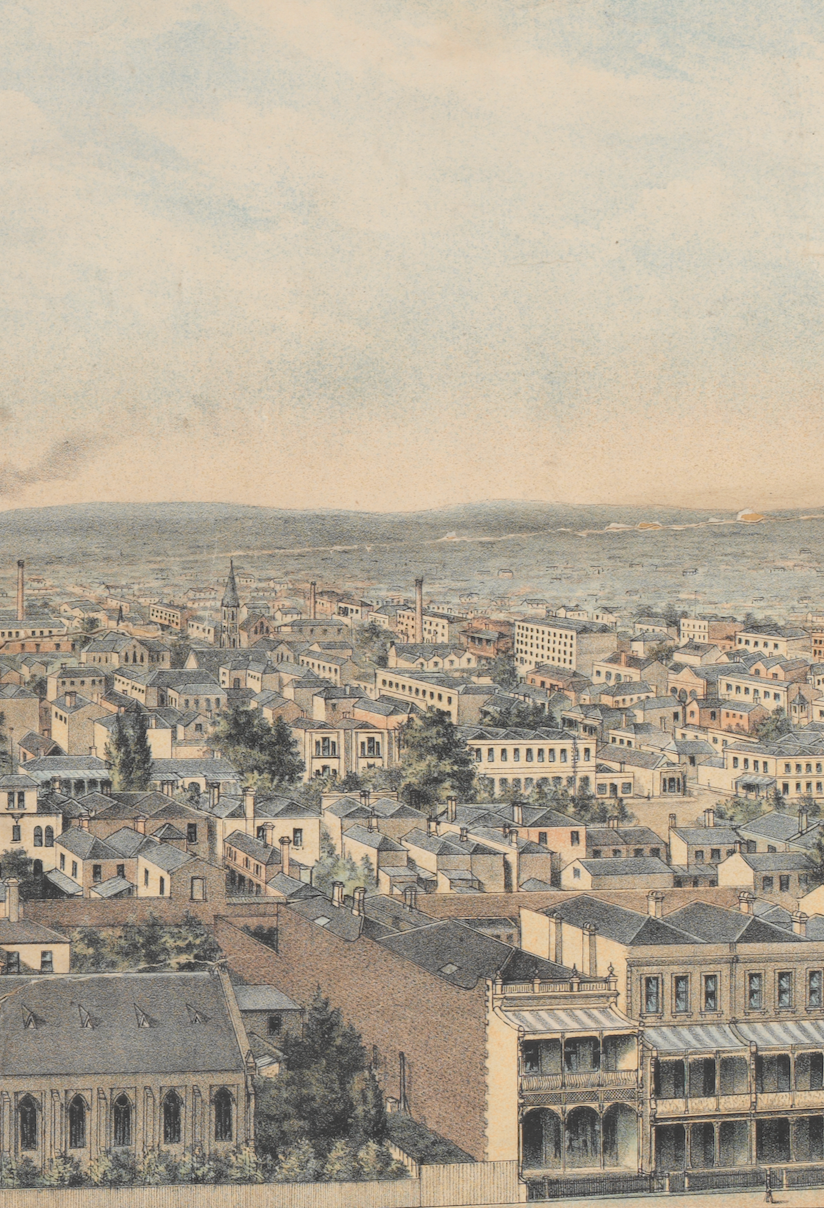
Interpretation within an institutional campus
Interpretation of heritage buildings and archaeological finds within a larger hospital complex
The challenge: A large healthcare complex that had acquired several non-medical heritage buildings was required by their development permit to provide interpretation of those sites. They wanted to respond to a diverse range of stakeholders while not inconveniencing patients.
The solution: This project was similar to several interpretation strategies we developed for university campuses, in that the operators were happy to provide interpretation but it was not their core purpose, and their priority was the current user group.
We worked with a diverse team including heritage architects, landscape architects, way-finding/graphic design specialists, and archaeologists to deliver interpretive content that was seamlessly integrated into the broader placemaking strategies. Making use of historical images, local press articles, and publications produced by stakeholder groups, the interpretation was present and recognisable but not intrusive. It was also low maintenance and did not draw extensive resources from the site’s primary function as a healthcare provider. The content sought to give visitors with a clear sense of history of place while also drawing connections between the hospital, the heritage buildings and the surrounding neighbourhood.
Image: Detail of F. W. Niven’s Lithograph ‘Panoramic View of Fitzroy, Melbourne Victoria, 1889’, State Library of Victoria, H4634
Work conducted while working as a heritage consultant at Lovell Chen Architecture & Heritage
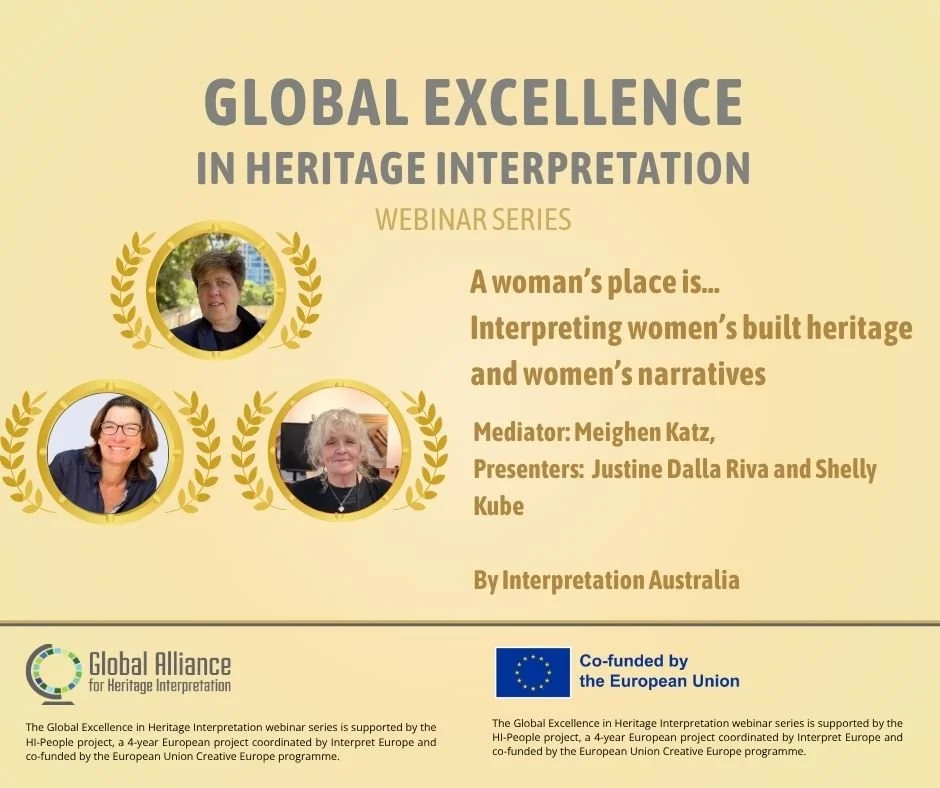
Interpretation Australia webinar
Held on Friday May 29th, 2026
A woman’s place is…
Interpreting women’s built heritage and women’s narratives
Though women’s historical narratives have become much more expected in museum exhibitions over the last four or five decades, when it comes to interpreting built heritage have we progressed as far? Do we still fall into the trap of imagining historical women only in domestic settings? How do we approach the idea of women’s physical places and spaces historically and in the present?
Please join us online when we tackle questions about interpreting women’s built heritage with Justine Dalla Riva, Executive Director of Melbourne’s Her Place Women’s Museum https://herplacemuseum.org.au/, which has just recently moved into the Abbotsford Convent, and with Shelley Kube, Site Manager at the Cascades Female Factory in Hobart https://femalefactory.org.au/, part of the Port Arthur Historic Sites and one of the UNESCO Australian Convict Sites. The conversation will be hosted/moderated on behalf of Interpretation Australia by Dr Meighen Katz.
Recording available to IA members:
https://interpretationaustralia.asn.au/ia-webinar-series/ia-webinar-archives/
Media, appearances & links
Select Publications
Narratives of Vulnerability in Museums: American interpretation of the Great Depression, Routledge, 2019, ISBN: 978-1-69411-7
“City of Women: the Old Melbourne Gaol’s gender-specific interpretation of urban life” in J. Wilson, S. Hodkinson et al (eds) Palgrave Handbook of Prison Tourism, Palgrave Macmillan, 2017, ISBN 978-1-137-56134-3
“‘Only the Most Morbid Amongst the Rich Will Find It Entertaining’: museums and the public narratives of 1930s urban homelessness”, Journal of Urban History, vol. 44, no. 2, March 2018
“ A Paradigm of Resilience: the pros and cons of using the FSA Photographic Collection in public history interpretations of the Great Depression”, Public Historian, vol.36, no.4, Nov 2014
Media
From PHAROS Newsletter 158 June-July 2026 editor, Dr Nicole Davis, published PHA Victoria & Tasmania:
Rehearsing the City is a new street photography exhibition at the Victorian Archives Centre in North Melbourne. ‘It examines how public space is not just shaped by architects and urban planners, but also by protest, improvisation, and even neglect.’ The exhibition features photographs from PROV and National Archives of Australia, as well as work by contemporary photographers responding to Victoria’s urban environment. Members of the public were asked to contribute photos to be considered for the exhibition and those that weren’t chosen for the main exhibition featured in the slideshow at the launch on May 21.
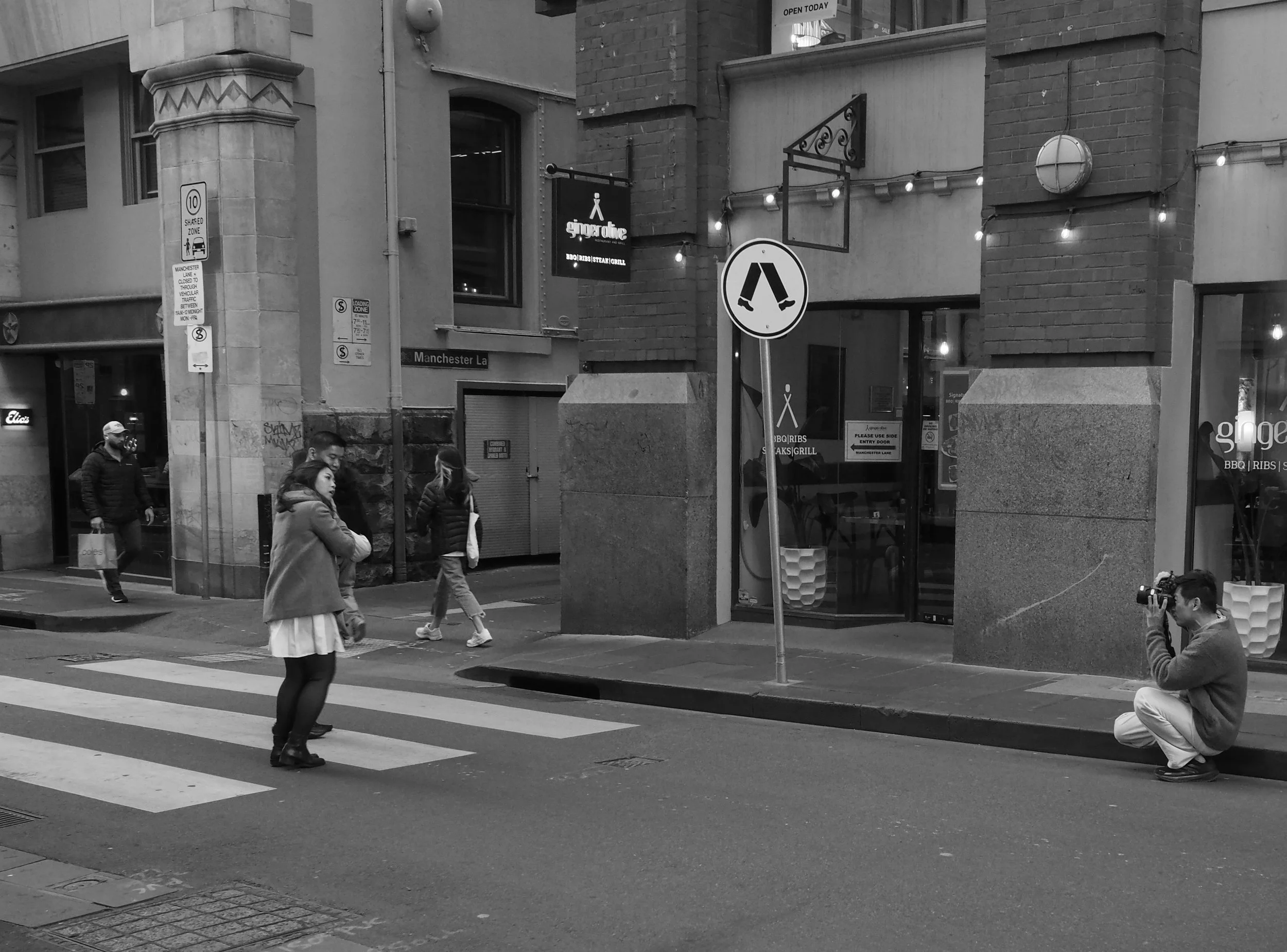
PHA (Vic & Tas) member Meighen Katz’s photograph Artist’s Studio was included in the slideshow. The launch event was part of Melbourne Design Week 2026, an initiative of the Victorian Government through Creative Victoria. The exhibition is open until March 2027. Further information is available on the PROV website.
Let’s Work Together
Every place has a story worth telling and every project has unique challenges and opportunities.
Whether you are navigating a heritage overlay, planning a major infrastructure or redevelopment project, managing a site in need of an interpretive refresh, or simply seeking to better understand the history of a place, person, organisation or event, Katzeye can help.
Contact us to discuss your goals and explore how interpretation, history and heritage can add value to your place, community, or development.
Email Address
hello@katzeyeihh.com.au
Katzeye Interpretation History & Heritage
ABN: 12144358516
Follow us on Instagram: